
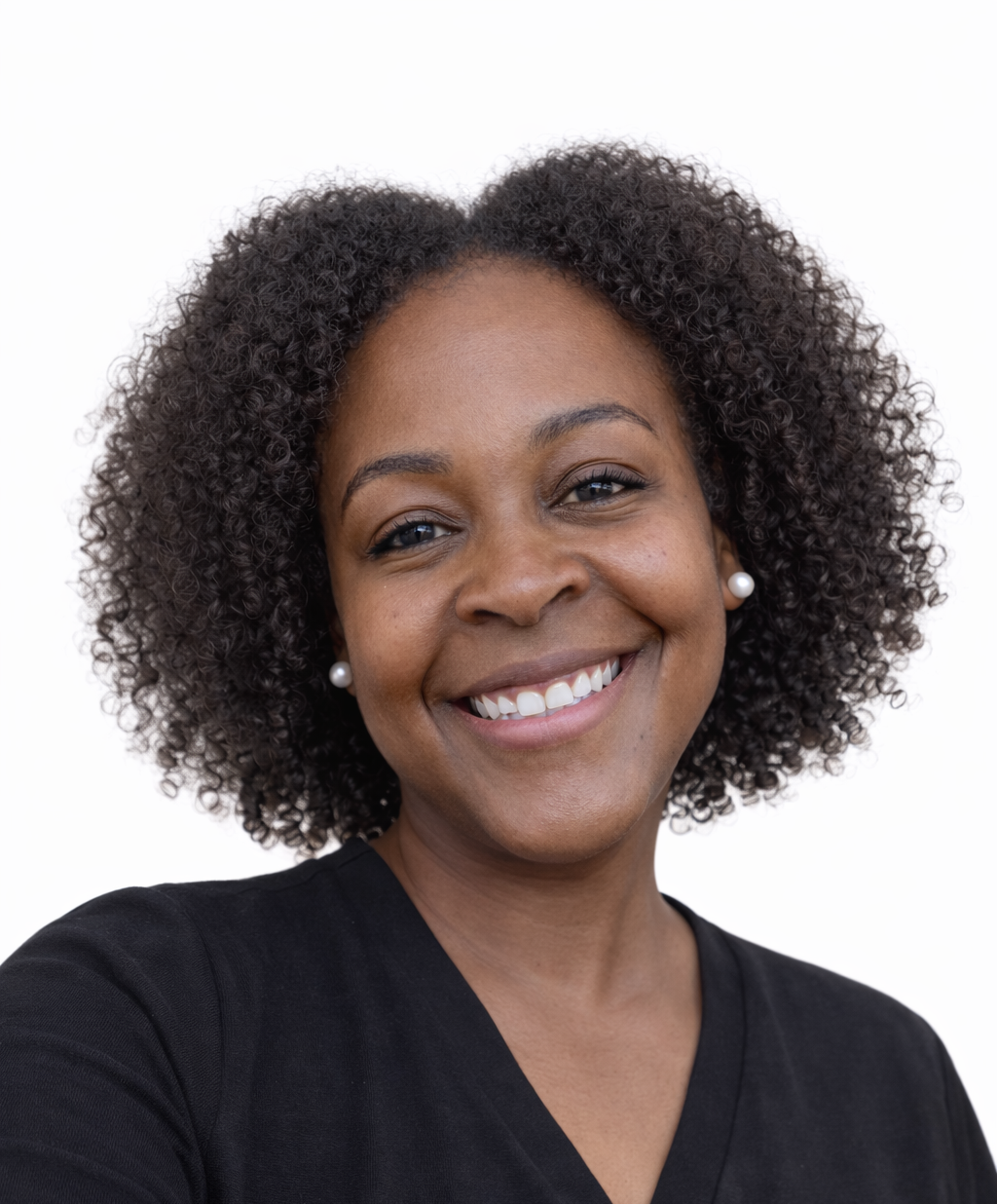
Recently, I was chatting with one of my former students. I was her Spanish teacher during my third year as an educator. Today, she is a wife, a mom, and a nurse manager at a large hospital.
Her story does not happen without an Alternative Learning Center.
 When she enrolled at our ALC in Durham, North Carolina, she was balancing responsibilities that would overwhelm most adults. Like so many of our students, she needed flexibility, understanding, and a school environment that met her where she was. The ability to catch up on credits. To come in later or leave earlier. To keep moving forward without being punished for falling behind. All of that mattered --for her, and for so many others.
I taught students ages 16–21 in a nontraditional environment. Many arrived behind on credits, juggling work, parenting, caregiving, and survival. Some had been pushed out of traditional settings. Others had simply fallen through the cracks. The ALC was not a last resort, it was a second chance; and for some, it was the only chance.
One of my strongest students was a manager at Subway. He was also a former gang member who walked around every day with a bullet still lodged in his leg. The ALC gave him something he may not have found anywhere else: a real opportunity to earn his diploma and imagine a future beyond his past.
 This was my third year teaching, but it was the first time I cried at graduation. Not quiet tears--an ugly cry. Because I knew how much it had taken for many of these students to get there. I knew how close some of them had come to giving up. I knew how many barriers they had pushed through just to walk across that stage.
At the same time, the challenges were real.
We had one counselor. One. And students entered throughout the year, at different points in their credit journeys. Much of her day was spent making sure students were placed correctly, progressing academically, and meeting immediate needs. With so many moving parts, there was little time left for what many students needed most: learning how to manage emotions, stress, and reactions.
And many of our students needed exactly that.
Some of the sweetest students I’ve ever taught lacked basic self-regulation skills — not because they did not care, but because no one had ever taught them how to pause, breathe, and think before acting. Trauma often showed up as anger. Fear showed up as defiance. Hurt showed up as explosions that seemed to come out of nowhere.
This was also the first school where I experienced the death of a student.
That loss changed me. It showed me how quickly trauma can redirect a young person’s life. How one moment — one reaction, one fight, one impulsive choice — can shift a student from preparing for graduation to facing life-altering consequences. I saw firsthand how lacking emotional regulation skills could change everything.
For every success story, there was also heartbreak.
And that is why academics alone were never enough.
Our teachers worked tirelessly to deliver content and support credit recovery. Our counselor did everything possible to keep students on track and meet basic needs. But there was still a gap — one that too often exists in alternative settings.
Students needed support that went beyond credits and coursework.
They needed to learn:
- How to stay calm during a job interview
- How to walk away from disrespect
- How to pause instead of react
- How to manage frustration
- How to understand their mistakes don’t define them, their strengths do
These are not “soft skills.” These are life skills.

Now, as a Coach with EmpowerU, I see clearly what I wished we had access to back then. A flexible, credit-bearing way for students to build resilience, self-regulation, confidence, and decision-making skills — without taking time away from academics or overwhelming already stretched staff.
In Alternative Learning Centers especially, flexibility matters. Students’ lives do not fit neatly into traditional schedules or expectations. EmpowerU allows students to build these critical skills alongside their academic work, reinforcing that learning how to manage stress, emotions, and choices is just as important as earning credits.
Because a diploma is not the finish line.
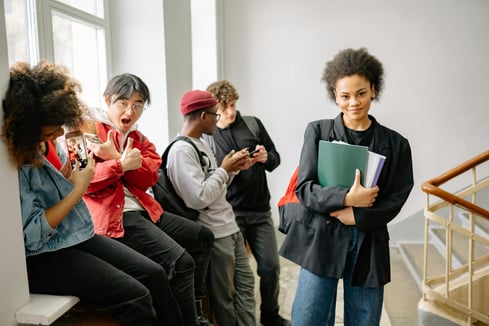 The real goal is preparing students to succeed after they leave us — in workplaces, relationships, and moments of pressure — without letting one decision undo years of progress.
Alternative Learning Centers change lives. I have seen it. I have cried because of it. And I believe deeply in the power of pairing flexibility and compassion with intentional skill-building.
When we give students both opportunity and tools, their stories do not end at graduation.
Sometimes, they become nurses, leaders, parents, and professionals.
And sometimes, they simply become adults who know how to breathe, think, and choose a different path.
ABOUT EMPOWERU
EmpowerU’s highly personalized, data-driven Tier 1 and Tier 2 solutions equip students to be resilient, self-directed learners and reach their goals — without additional hires or a heavy lift from schools. The program provides each student with interactive lessons and personalized coaching, pairing technology with brain research in a unique way that supports students, empowers their growth and reduces feelings of anxiety and depression. Multi-year data makes it clear: nobody understands Multi-Tiered System of Supports (MTSS) and approaches student supports the way EmpowerU does.
Ready to get started? Schedule a consultation with your EmpowerU school partnership director to learn how you can bring these results to your districts.